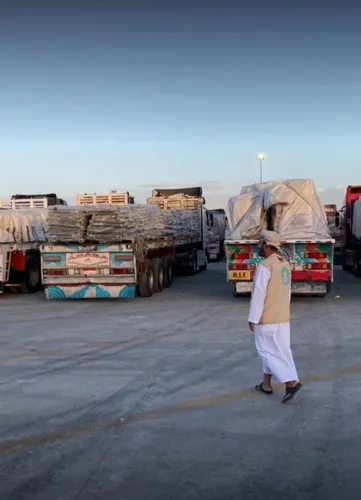


Oman’s industrial construction sector is entering a new expansion phase, shaped by strategic capital inflows, targeted policy incentives, and large-scale infrastructure commitments. In 2025, the market is expected to expand by approximately 3.6% in real terms, supported by sustained foreign direct investment (FDI) and the implementation of Vision 2040 diversification priorities.
Rather than short-term cyclical growth, the current trajectory reflects a structural transformation — positioning Duqm and Sohar as complementary industrial anchors within Oman’s long-term economic blueprint.
Capital Inflows Strengthen Industrial Momentum
Foreign investment continues to accelerate Oman’s industrial ambitions. FDI increased by 18.2% in 2024, following an even stronger 25.2% expansion in 2023. This consistent upward trend signals growing investor confidence in Oman’s regulatory stability, industrial policy clarity, and geographic advantage along key global trade corridors.
Special Economic Zones (SEZs) have played a decisive role in this momentum. With tax exemptions extending up to 30 years and streamlined regulatory processes, Duqm and Sohar have become strategic gateways for multinational manufacturers, logistics operators, and energy players seeking long-term regional positioning.
Duqm: Anchoring Southern Industrial Expansion
Duqm has evolved into one of Oman’s most strategically significant developments. The Duqm Refinery, with a production capacity of 230,000 barrels per day, serves as a catalytic asset that extends beyond energy production.
The refinery stimulates an ecosystem of supporting infrastructure — including storage terminals, petrochemical facilities, pipeline networks, and advanced port logistics. As these components integrate, Duqm is transitioning from a project-based development into a fully functional industrial cluster connected directly to international maritime routes.
This clustering effect is reinforcing construction demand across industrial facilities, utilities, and transport infrastructure — establishing Duqm as a long-term pillar of southern economic expansion.
Sohar: Industrial Diversification in the North
While Duqm anchors the south, Sohar continues to consolidate its position as Oman’s northern industrial hub. The zone’s expansion is increasingly diversified, with activity spanning steel production, petrochemicals, and emerging renewable energy projects.
International partnerships are deepening the industrial base, while SEZ incentives enhance capital efficiency for investors. The cumulative impact extends beyond factory construction — stimulating warehousing, port modernization, and transport corridor upgrades.
Together, Duqm and Sohar create a geographically balanced industrial strategy, reducing concentration risk and strengthening national economic resilience.
Public Investment and Infrastructure Alignment
Government expenditure remains aligned with industrial expansion objectives. In the first quarter of 2025, public spending rose by 4% year-on-year, with development allocations reaching approximately USD 660 million.
These investments prioritize:
- Energy infrastructure
- Logistics corridors
- Port and transport connectivity
- Industrial utility networks
Such alignment ensures that industrial construction growth is supported by integrated infrastructure planning, rather than isolated project execution.
Vision 2040 and the Energy Transition Opportunity
Vision 2040 reinforces industrial construction demand through its ambitious energy transition targets — aiming for renewable energy to account for 30% of the energy mix by 2030 and 70% by 2040.
These objectives create substantial opportunities in:
- Renewable power generation facilities
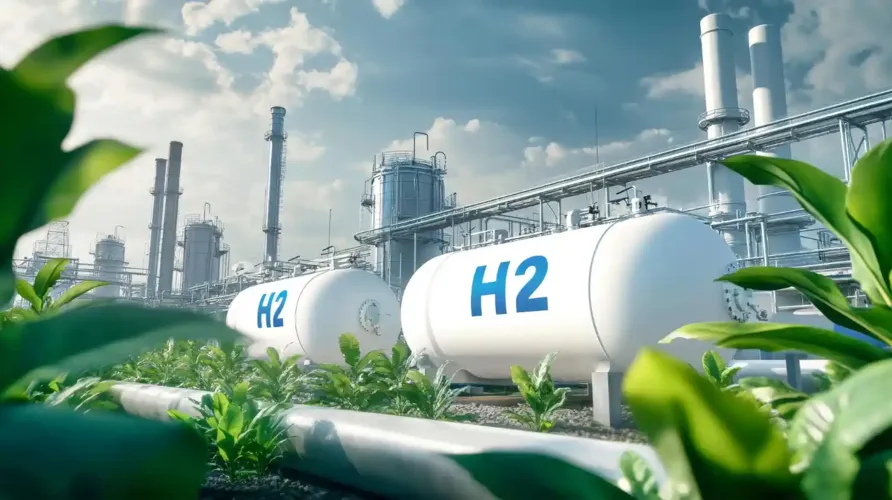
- Green hydrogen infrastructure
- Grid modernization
- Industrial decarbonization projects
Between 2026 and 2029, the industrial construction market is projected to maintain average annual growth of approximately 4%, underpinned by both conventional industrial projects and green infrastructure initiatives.
Strategic Outlook
Oman’s industrial construction expansion reflects a deliberate shift toward a diversified, investment-driven growth model. Through policy consistency, SEZ competitiveness, and megaproject execution, the country is building integrated industrial ecosystems rather than standalone assets.
Duqm and Sohar stand at the center of this transformation — operating not merely as development zones, but as strategic platforms for long-term industrial competitiveness in the Gulf region.
If momentum continues, Oman’s industrial construction sector will remain a cornerstone of the country’s economic diversification journey under Vision 2040.
Read also: Oman’s E-Commerce Transformation: A Strategic Growth Engine for the Digital Economy